In today’s competitive marketplace, simply telling customers about your products or services is no longer enough. Consumers expect brands to create memorable moments that capture their attention, spark emotions, and leave a lasting impression. This is where immersive experiential experiences come into play.
Whether you are running a corporate showroom, launching a new product, organising an event, or building a customer experience centre, immersive experiential solutions can help transform passive audiences into active participants. The result is stronger engagement, better brand recall, and deeper customer connections.
At IXEN Interactive, we help organisations create engaging digital experiences that combine technology, creativity, and storytelling to deliver meaningful interactions. Learn more about our solutions at https://ixen-interactive.com/.
What Is Immersive Experiential?
An immersive experiential experience combines interactive technology, digital content, physical environments, and storytelling to create engaging experiences that fully involve participants.
Rather than simply watching a presentation or reading information, visitors become part of the experience. They can touch, explore, interact, and engage with content in ways that feel natural and memorable.
Examples include:
- Interactive customer experience centres
- Digital museums and galleries
- Virtual reality (VR) experiences
- Augmented reality (AR) activations
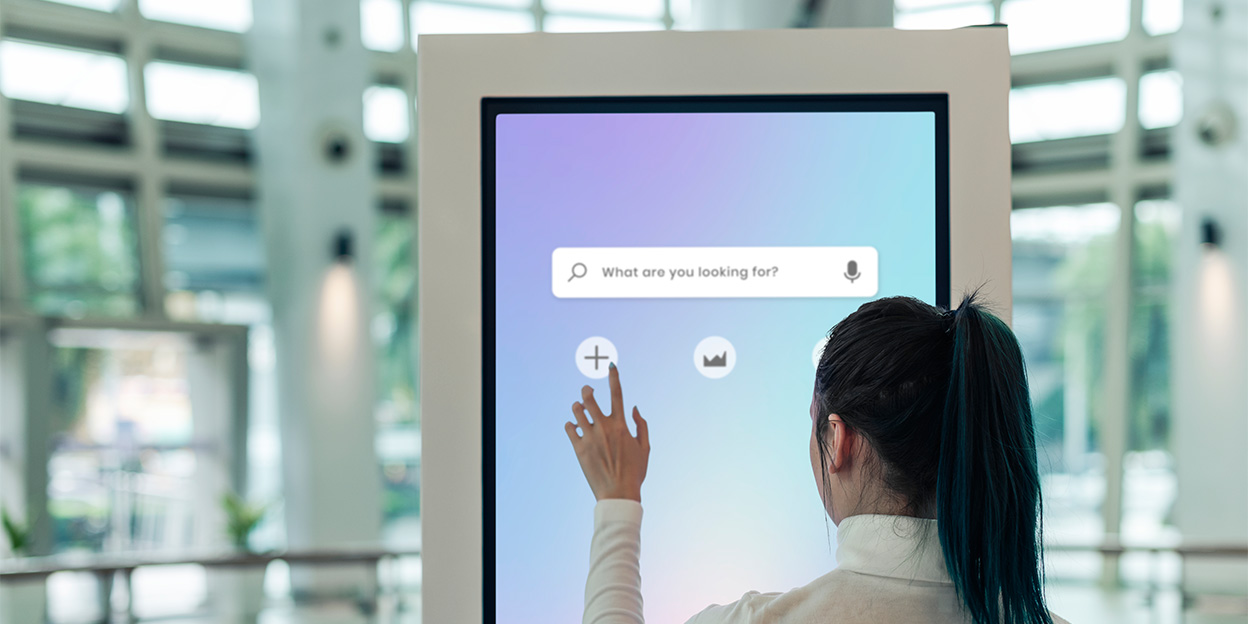
- Interactive touchscreens and kiosks
- Projection mapping installations
- Gamified brand experiences
- Immersive product showcases
The goal is to create a deeper emotional connection between audiences and brands.
Why Immersive Experiential Matters More Than Ever
Modern consumers are exposed to thousands of marketing messages every day. Traditional advertising often struggles to stand out amidst the noise.
An immersive experiential approach offers several advantages:
Higher Engagement
People naturally remember experiences more than advertisements. When visitors actively participate in an experience, they spend more time interacting with your brand and are more likely to remember what they learned.
Stronger Emotional Connections
Emotions play a significant role in decision-making. Immersive experiences create memorable moments that help customers form positive associations with your brand.
Improved Knowledge Retention
Research from the National Training Laboratories suggests that people retain information more effectively when they actively participate in learning experiences rather than passively consuming information.
Better Brand Differentiation
An innovative immersive experiential environment helps businesses stand out from competitors. It demonstrates innovation, creativity, and a commitment to customer engagement.
Key Technologies Behind Immersive Experiential Solutions
Technology plays a crucial role in delivering immersive experiential experiences.
Interactive Touch Displays
Touchscreens allow users to explore information at their own pace. They are commonly used in visitor centres, showrooms, exhibitions, and experience centres.
Virtual Reality (VR)
VR places users inside a fully digital environment. This can be used for product demonstrations, training simulations, virtual tours, and educational experiences.
Augmented Reality (AR)
AR overlays digital content onto the physical world using smartphones, tablets, or specialised devices. Brands often use AR to bring products, environments, and stories to life.
Projection Mapping
Projection mapping transforms ordinary surfaces into dynamic visual displays. Buildings, walls, and objects become storytelling canvases that captivate audiences.
Artificial Intelligence
AI-powered experiences can personalise content based on user preferences, behaviours, and interactions, making each experience unique.
- Viewing specific products
- Adding items to cart
- Making repeat purchases
- Signing up for newsletters
This creates a more targeted sales process that improves conversion rates over time.
Immersive Experiential Applications Across Industries
The versatility of immersive experiential solutions makes them suitable for many industries.
Corporate Experience Centres
Companies use experience centres to showcase their capabilities, innovations, and success stories. Interactive displays help visitors understand complex products and solutions in an engaging way.
Museums and Visitor Centres
Modern museums increasingly use immersive technologies to bring history, science, and culture to life. Interactive exhibits encourage exploration and participation.
Retail and Brand Activations
Retailers use immersive experiential strategies to create memorable shopping experiences that drive customer engagement and increase sales.
Education and Training
Immersive simulations help learners practice real-world scenarios in safe environments, improving knowledge retention and skill development.
Healthcare
Healthcare organisations use immersive technologies for patient education, medical training, and treatment simulations.
What Makes an Immersive Experiential Project Successful?
While technology is important, successful immersive experiential projects are built around people, not gadgets.
Start with a Story
Every experience should have a clear narrative. Technology should support the story rather than become the story itself.
Focus on User Experience
Visitors should be able to interact naturally without complicated instructions. The best experiences feel intuitive and enjoyable.
Create Meaningful Interactions
Every touchpoint should add value. Visitors should leave with new knowledge, stronger emotions, or a better understanding of your brand.
Blend Physical and Digital Elements
The most effective immersive experiential environments seamlessly combine physical spaces with digital content to create a cohesive journey.
Measure Results
Track engagement metrics, visitor feedback, dwell time, and business outcomes to evaluate success and continuously improve the experience.
The Future of Interactive Customer Experiences
As technology continues to evolve, immersive experiential solutions will become even more sophisticated.
Artificial intelligence, spatial computing, mixed reality, and real-time data integration are opening new possibilities for personalised experiences. Future customer journeys will become more interactive, adaptive, and emotionally engaging.
Businesses that embrace interactive experience strategies today will be better positioned to meet the expectations of tomorrow’s customers.
How IXEN Interactive Can Help
Creating a successful immersive experiential environment requires the right balance of strategy, technology, design, and storytelling.
At IXEN Interactive, we help organisations design and develop engaging digital experiences that connect with audiences and deliver measurable results. From customer experience centres and interactive installations to digital transformation initiatives, our team works closely with businesses to bring ideas to life.
If you are looking to create an immersive experiential experience that captivates visitors and strengthens your brand, contact our team today at https://ixen-interactive.com/contact-us.
Final Thoughts
Immersive experiential experiences are changing the way organisations communicate, educate, and engage with their audiences. By combining technology, creativity, and storytelling, businesses can create memorable interactions that go far beyond traditional marketing.
As customer expectations continue to rise, investing in immersive experiential solutions is no longer just an innovation strategy. It is becoming a powerful way to build meaningful relationships, strengthen brand loyalty, and create experiences that people genuinely remember.formance.


